Reducing Food Waste
By redirecting surplus food, the initiative aims to reduce waste at both consumer and household levels, preventing perfectly edible food from ending up in landfills.
.jpg)

Alleviating Hunger
Efficient redistribution will ensure that surplus food reaches those in need, contributing to hunger alleviation and improved nutrition.
Environmental Benefits
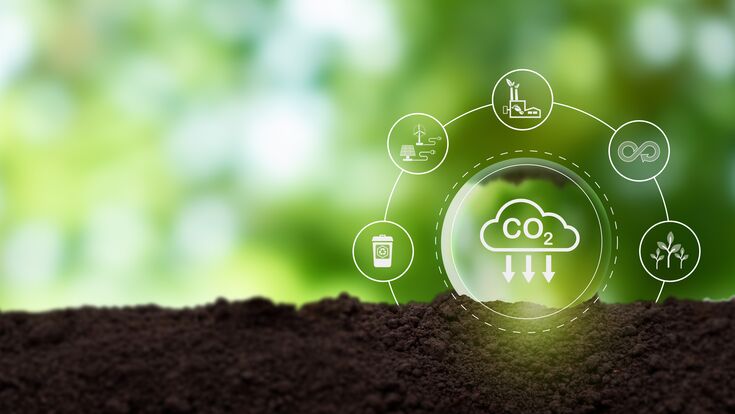
Recycling inedible waste into animal feed, compost, or biogas minimizes greenhouse gas emissions, supporting a sustainable environment.
Empowering Communities
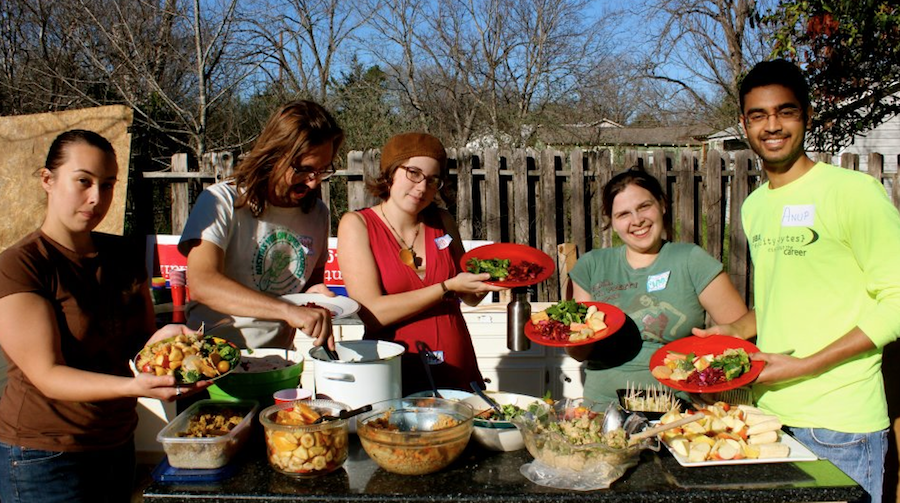
By engaging educational institutions, NGOs, and the private sector, the initiative fosters a culture of sustainability, awareness, and community responsibility.