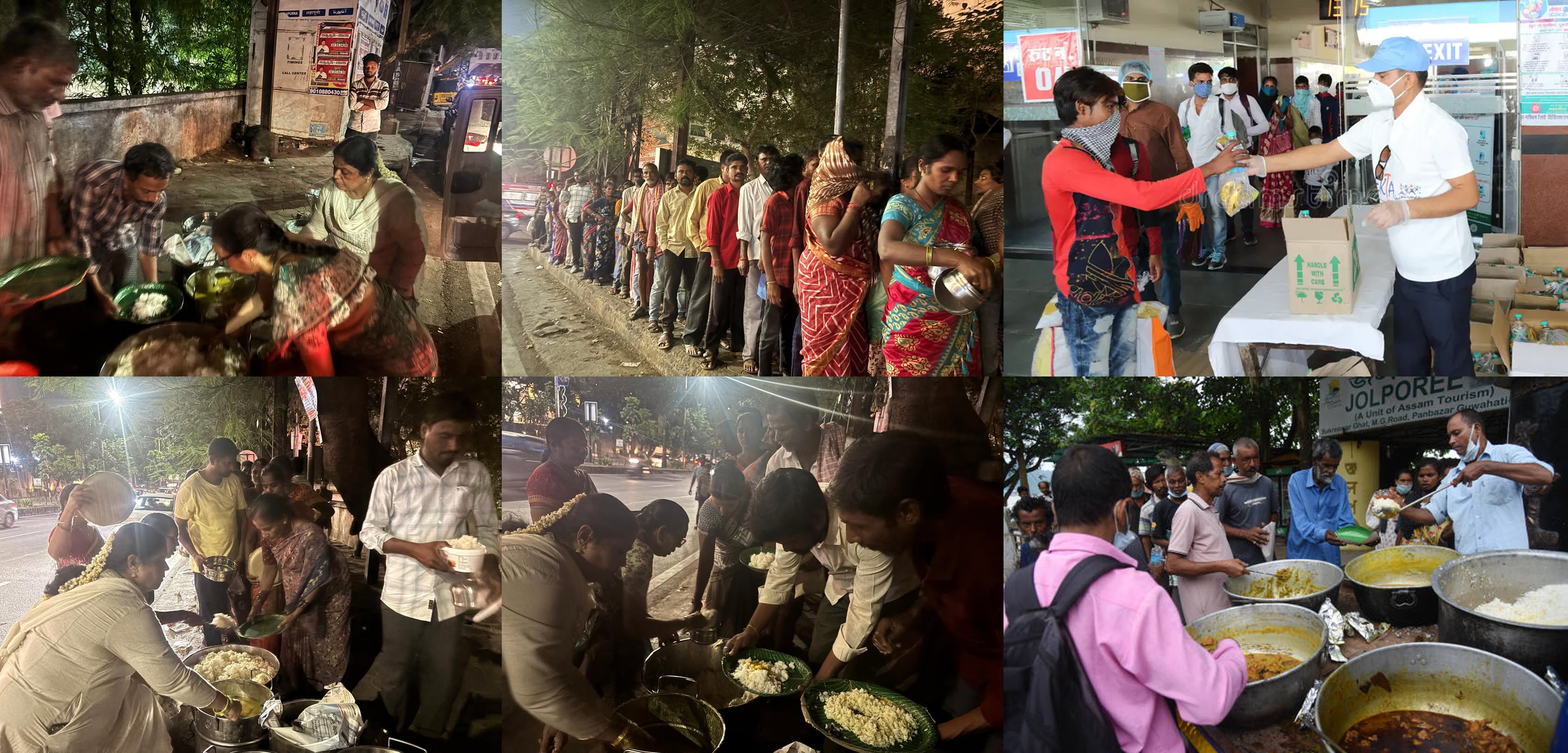
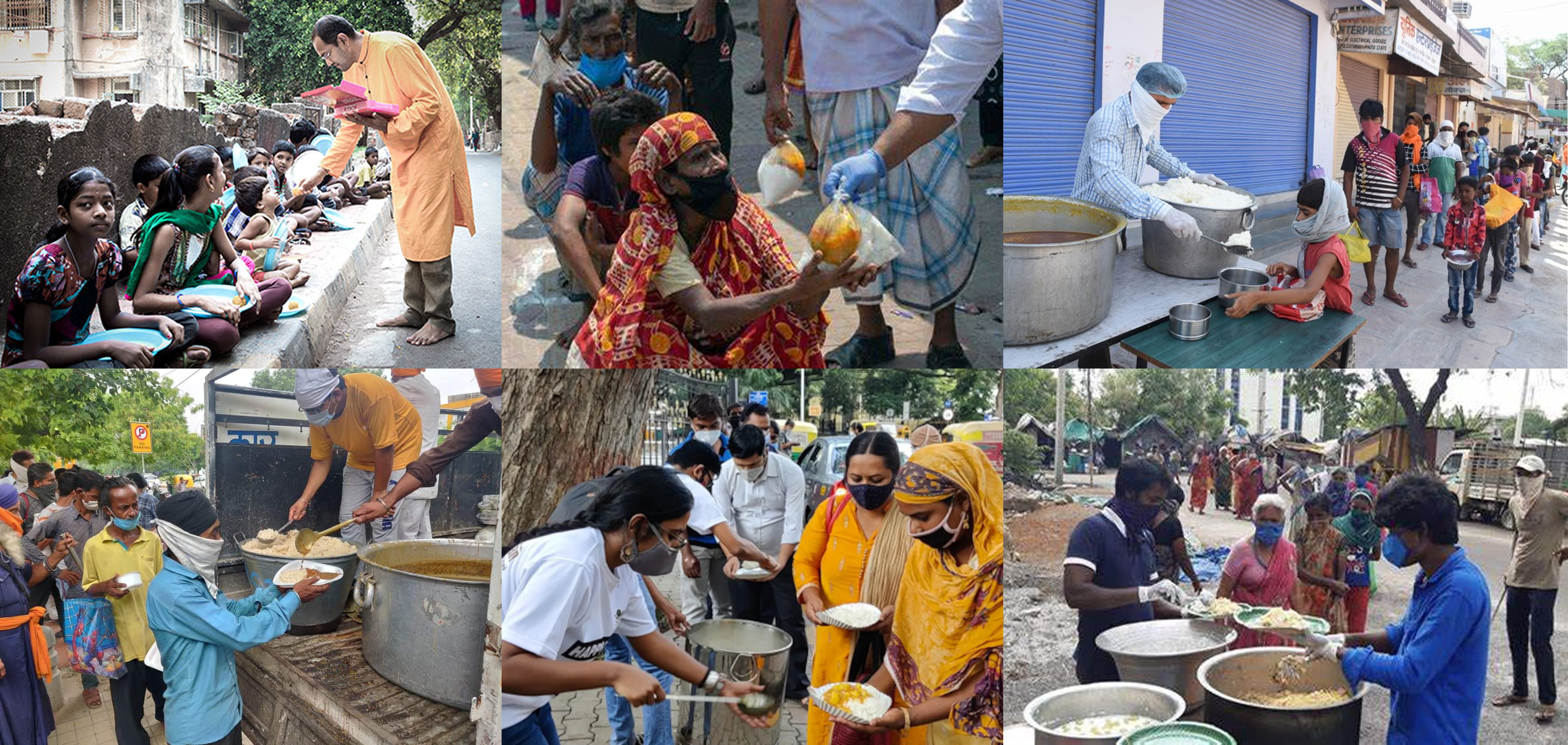
Collection and Redistribution Systems
A central aspect of this intervention is the creation of a Food-WISE Digital Platform to optimize food collection and redistribution.
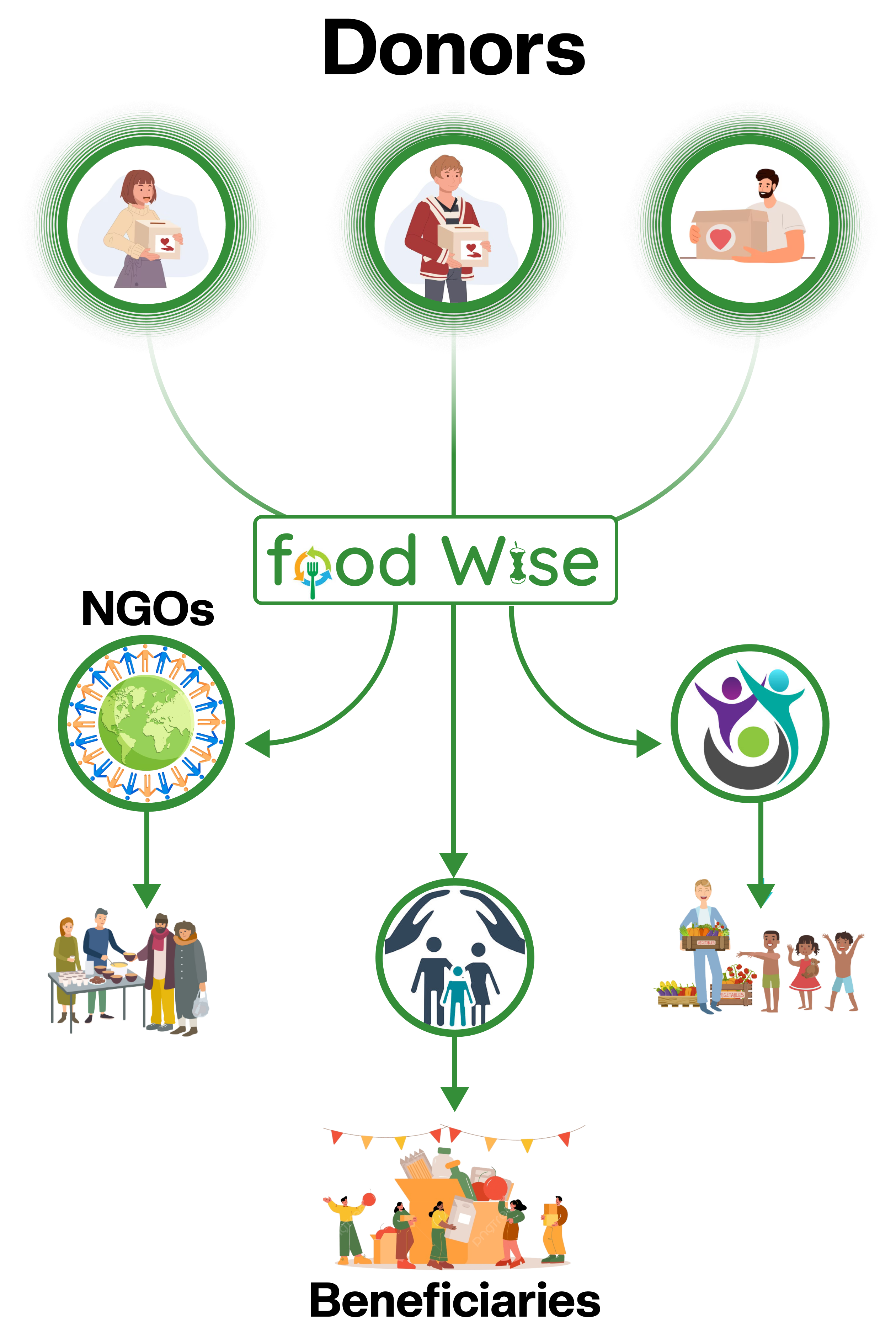
Develop a digital platform that connects donors with beneficiaries through intermediaries such as NGOs and community clubs in slum areas. The platform could also link to animal feed manufacturers and composting businesses.
Integrate data analytics for tracking food donations, redistribution, and impact metrics such as the number of meals served and greenhouse gas emissions reduced.
Ensure the platform is simple for both donors and recipients to register and use, especially during special events or festivals.
| Type of Food | Donors | For Use By |
|---|---|---|
| Surplus Cooked Food | Banquet Halls, Hotels | NGOs, Shelter Homes |
| Packaged Food Near Expiry | Food Companies, Distributors | NGOs, Shelter Homes |
| Fresh Produce | Subji-Mandis, Agriculture Yards | NGOs, Shelter Homes |
| Fresh Cooked Food for Special Occasions | Individuals, Households | NGOs, Shelter Homes, Community Clubs |
| Inedible Food Waste | All of the above | Animal Feed Manufacturers, Industrial Users, Composting Businesses |
Real-Time Connectivity
Food-WISE Certification Program
Program Features:
-
Certification for Banquet Halls and Restaurants:
Acknowledge establishments that practice portion control, waste reduction, and green operations.
- Smart Planning & Portion Control: Accurate guest count, customizable menus, and portion management.
- Efficient Food Utilization: Accurate guest count, customizable menus, and portion management.
- Waste Monitoring & Reduction: Implement waste tracking systems and composting.
- Green Operations: Use eco-friendly packaging and energy-efficient equipment.
- Awareness & Education: Train staff and inform guests about food-wise practices.
-
Eco-Friendly Packaging for Packaged Food Brands:
Certify brands that use eco-friendly packaging, clear labeling, and actively participate in surplus redistribution programs.
- Sustainable Packaging: Use biodegradable, recyclable, or minimalistic packaging.
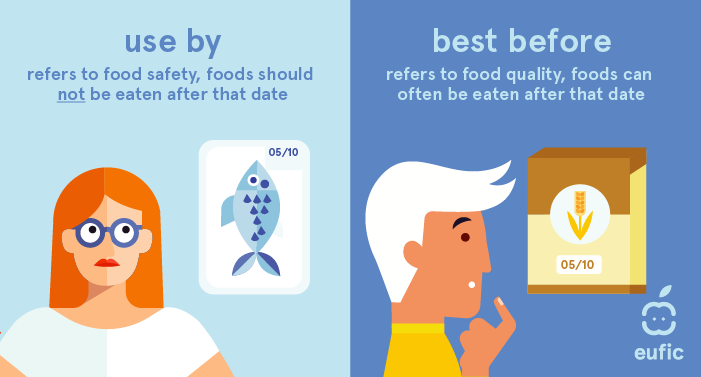
- Clear Labeling & Transparency: Clearly differentiate between "expiry" and "best before" dates, and provide storage tips.
- Quality & Nutritional Value: Prioritize high-quality, nutritious ingredients.
- Waste Reduction Initiatives: Upcycle by-products and partner with food banks to distribute unsold items.
- Sustainable Sourcing: Engage in ethical sourcing and support local farmers.
- Consumer Engagement: Utilize certification to build consumer trust and encourage support for sustainability-focused businesses. Offer educational campaigns and provide interactive digital tools (e.g., QR codes with sustainability information).
This certification will encourage sustainable food practices, reduce waste, and support a healthier environment, making Food-WISE establishments leaders in responsible food management.
Awareness and Education Campaigns
NGO Capacity Building
This system facilitates : Provide training for NGOs to manage food redistribution more effectively, especially in rural and underserved areas.
.
Public Awareness Initiatives
Launch campaigns to educate the public on expiry versus “best before” dates, reducing household and retail-level food wastage.
School and College Engagement
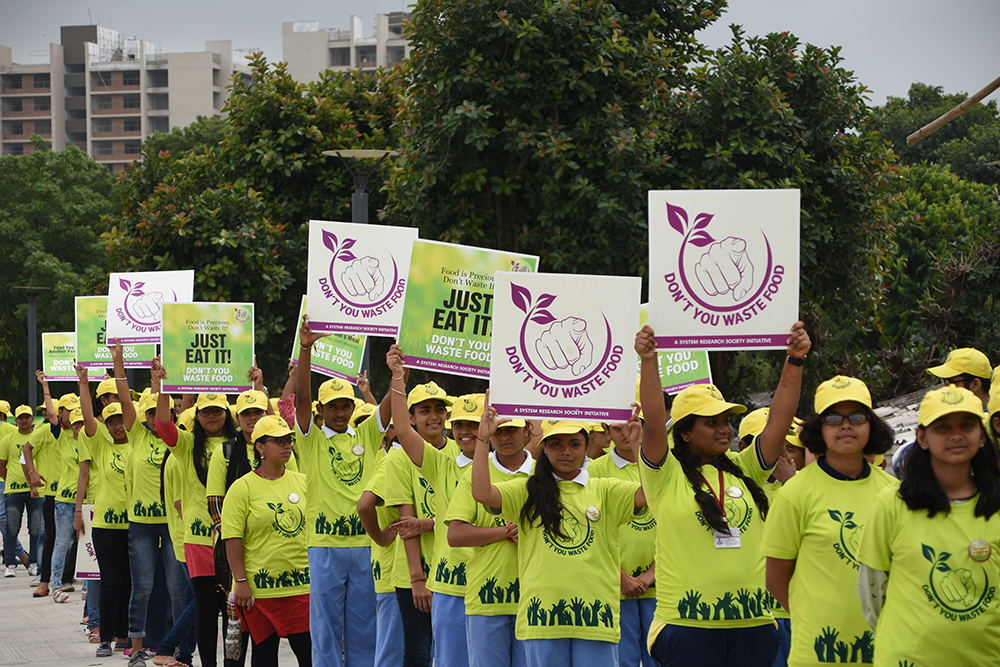
Integrate food waste topics into life skills curricula, engaging students as community ambassadors.
Influencer Partnerships
Collaborate with chefs, nutritionists, and bloggers to promote mindful consumption and sustainable practices.
.
Success Stories
Celebrating Success Stories: Identify and share inspiring local initiatives to motivate communities, creating a ripple effect for widespread adoption of sustainable, food-wise practices